
When first getting started with 3D printing, it is important to choose a printer that best fits your needs. That may mean different models of the same print type, or in the case of this article it means the mechanism of printing. We will take a look at the two most common, home friendly types and explain which style fits each situation. First a definition of the two versions we will be looking at:
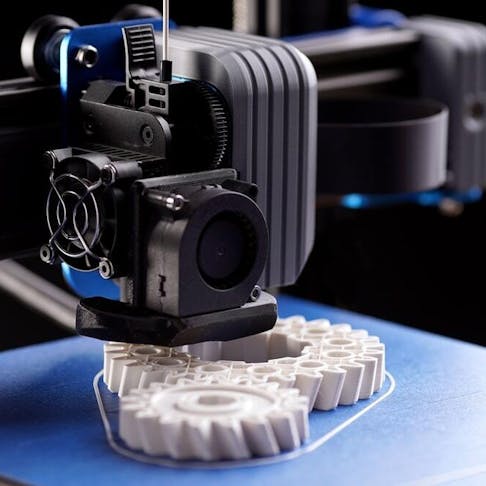
FDM – Fused deposition modeling
Fused Deposited Modeling (FDM) uses a heated nozzle to extruded materials, on an extruding head that moves around on 3 axises to build a model layer by layer. I think the best way to think of it is like a hot glue gun that extrudes plastic, one layer at a time to build up a design.
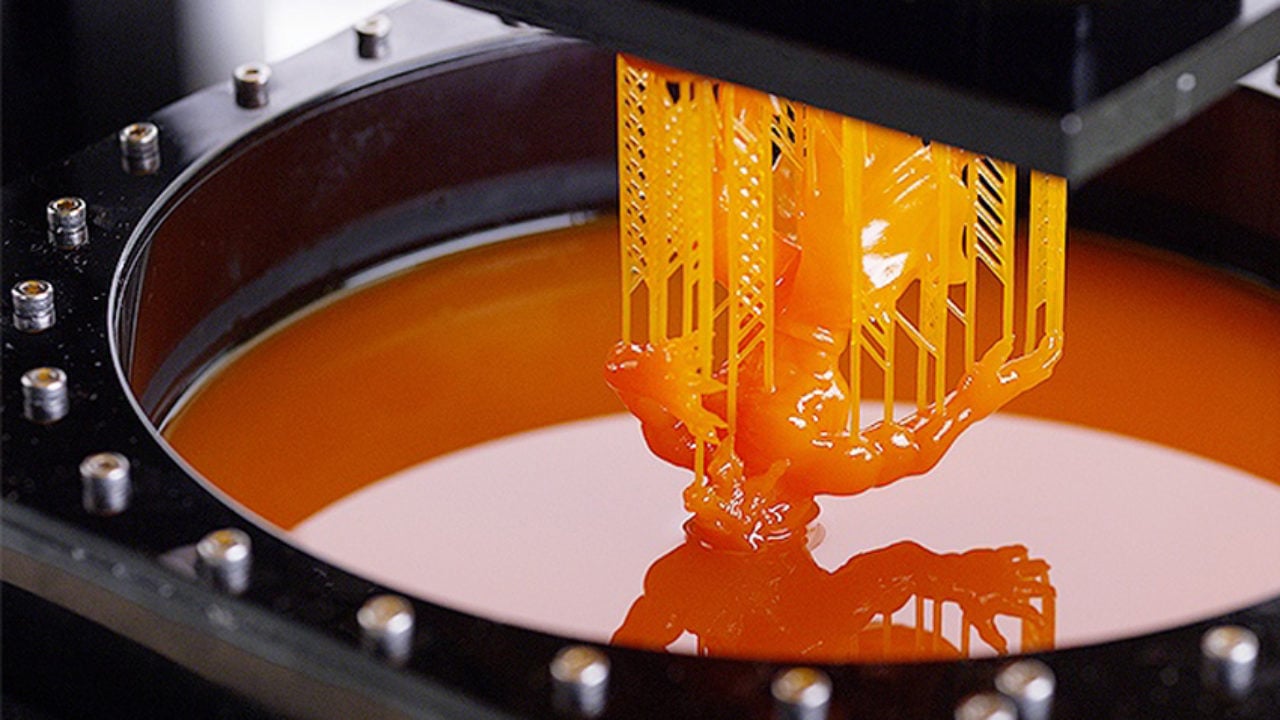
SLA – Stereolithography
Stereolithography uses a laser to cure resin into a hard plastic model in a process called photopolymerization. The first layer solidifies on a print bed after the specific layer pattern is shown with a laser, often a UV light. As the bed rises, each layer is cured one at a time to create the full project. It can be harder to observe the process, as the resin often sits in a tub that hides the majority of the project (as can be seen in the image above).
Ease of use
FDM Printers are much more common among household users due to their ease of use. While it is true both printers can be started up quickly after purchase, FDM is much easier for beginners to use. The slicing process is easier and more intuitive allowing for less trial and error. Also each print is easier to set up with FDM, as it is less necessary to clean between every print.
Resolution and Quality
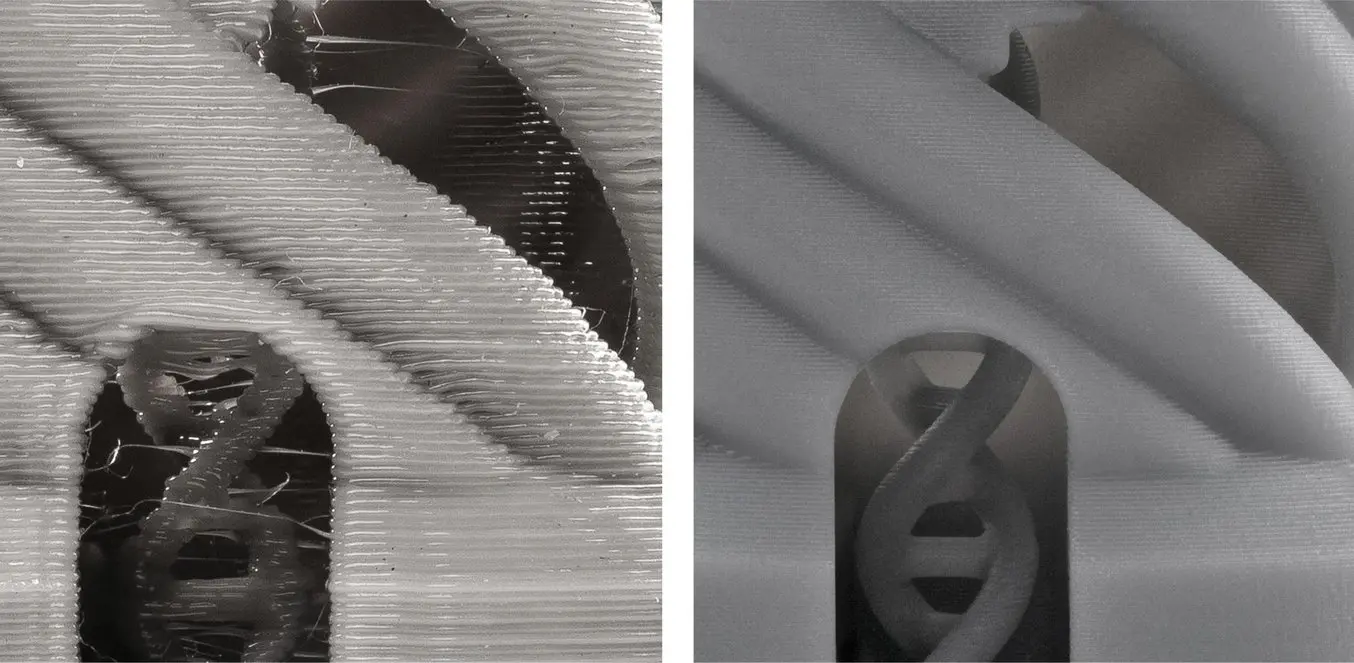
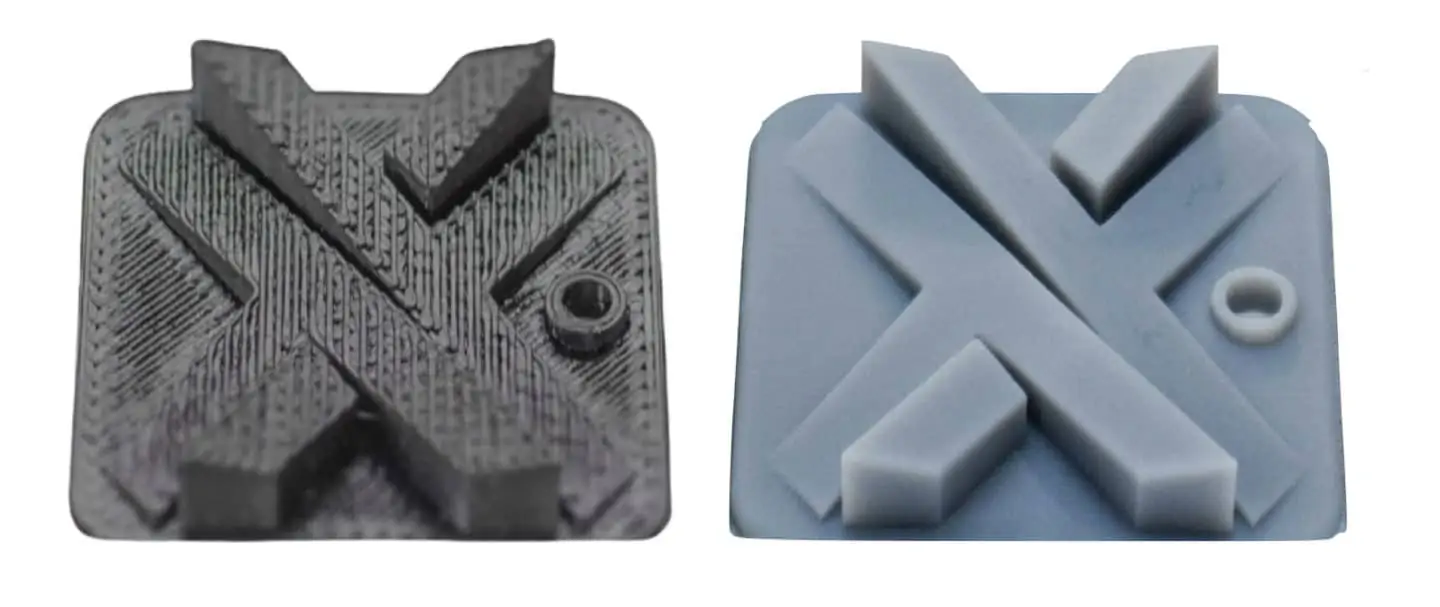
The biggest positive without a doubt to SLA printing is the resolution and quality of prints. As you can see in the images above the FDM prints (left) contain a feature called ribbing, which is the clear lines of each print layer. Because of the laser curing of SLA printers this is much less noticeable. Also worth noting that each layer in an SLA printer is much shorter than most FDM prints, which is known as resolution.
It is worth noting however, that there is a trade off in terms of quality. The prints may have a cleaner appearance, but the FDM make up for it in strength. SLA prints are known for how brittle they are. Based on this the FDM prints may be better for actual prototypes, where as SLA prints look better visually and may be better for mold making.
MAterials
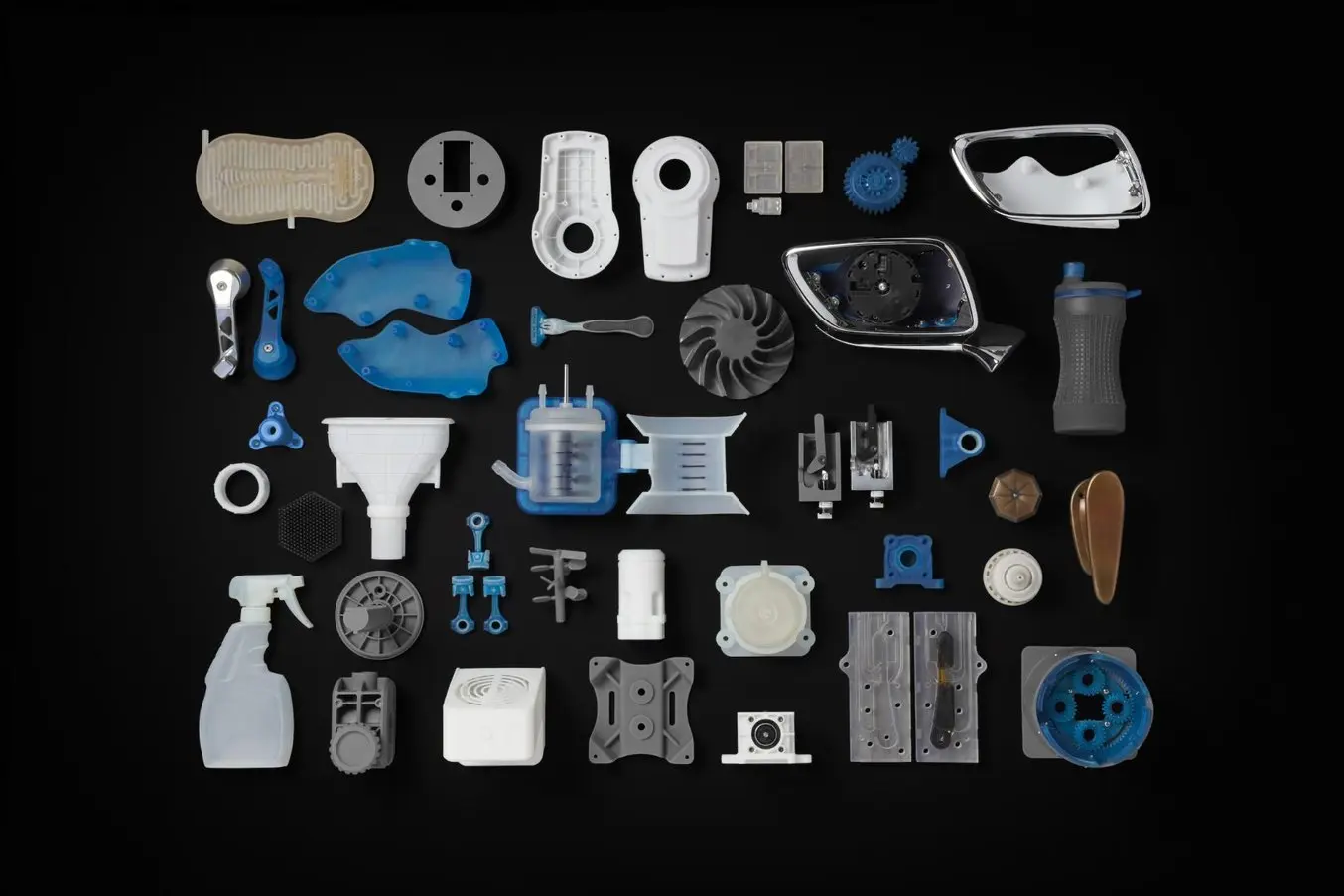
Just as importantly the material used in FDM printers are much more abundant and easy to access. It is some what common to see FDM material spools in every day accessible stores like Best Buy and Walmart, while the same cannot be said for SLA. Each printer style does have a wide variety of material types. Though they are very different, they each undoubtably have their uses so it would be impossible to say one is greater than the other in this sense. I will list some common materials for each below:
FDM Materials: PLA, ABS, TPU, PETG, Nylon, and Carbon Fiber
SLA Materials: Clear, Elastic, Ceramic, Castable Wax (great for jewelry making), and Dental
User Safety
In terms of safety, FDM is much safer to use. The prints are safe to touch immediately after printing and even though some materials have toxic off gases (such as ABS) it is often less toxic to users. The user needs to be aware of a few high temp spots to ensure safety, other than that it has SLA beat in this department
SLA can be safe, but it takes much more awareness and a careful approach. Most resin materials are irritants to your skin, not to mention the dangers of swallowing or having some land in your eye (to be fair, you probably shouldn’t consume FDM material, or poke yourself in the eye with it). Resin prints must be cured using a UB light and need to be cleaned in some sort of bath, usually a high percentage alcohol. I would highly recommend the use of gloves, safety goggle and any other safety equipment that you believe can keep you safe. I may be biased in this department though, I have suffered severe burns from a bad spill.
Parts and Repairs
In this department there is a bit of a trade off that results in the two being a net neutral. FDM printers have way more parts and are much more complex, but those parts are easier to acquire and replace. SLA features less parts, but they are harder to find and more complex to replace. It is worth noting that an SLA printer is easier to break in my opinion, if you do not properly clean the film at the bottom of the resin tube between each print, you are likely to break your UV screen underneath, or at least the plastic film.
Conclusion
I would love to give you an easier answer as to which style to choose, but it will undeniably depend on the intended uses. An FDM printer is easier and safer to use, produces stronger quality prints, but lacks an undeniable finished product look. SLA printers produce higher quality, more complex prints, but users will need to spend a bit more time getting up to speed on the slicer process and exercise far more caution while operating. From a cost perspective, there is not much of a difference. I hope this article has been useful in deciding which printer style works best for your needs.